A design system built for AI agents and designers

After ERGO acquired Next Insurance, I rebuilt the design system from scratch and implement it across 7 platforms with the help of AI coding agent. Landing pages development went from 3-7 days to 1 day.

Client
ERGO NEXT Insurance
Services
Design systems
Date
2026

The problem

ERGO Group AG acquired Next Insurance, and the product needed a full rebrand onto ERGO's global design language. The existing design system was in rough shape: unmaintained for years, so out of date that designers detached components just to make them work, and no documentation on how to use each component. Seven platforms were using components that looked and behaved similarly, but the code was different and impossible to re-use, all on an aging tech stack.

The old system ran on implicit knowledge. A designer was expected to know the design system well enough to pick the right component every time, and design critique sessions would catch mistakes, but that process doesn't scale for a growing organization, and it completely breaks when using AI coding agents for prototyping or design.

An agent also raises the cost of getting this wrong. It treats whatever it finds in the system as correct and reproduces it in everything it builds, so an inaccuracy that used to mean one mismatched button somewhere now gets copied into every page the agent touches.

My role

I built the new design system with guidance from the design director: Implemented a rebrand in 7 different platforms, created a design system from scratch to mirror an existing brand, and a parallel migration of the legacy code to React, working with rotating engineering teams across the platforms. This project had a harder goal than a normal rebrand because the primary user would be an AI coding agent, not just a human designer, and it needed to be launched in a few months.
__wf_reserved_inherit
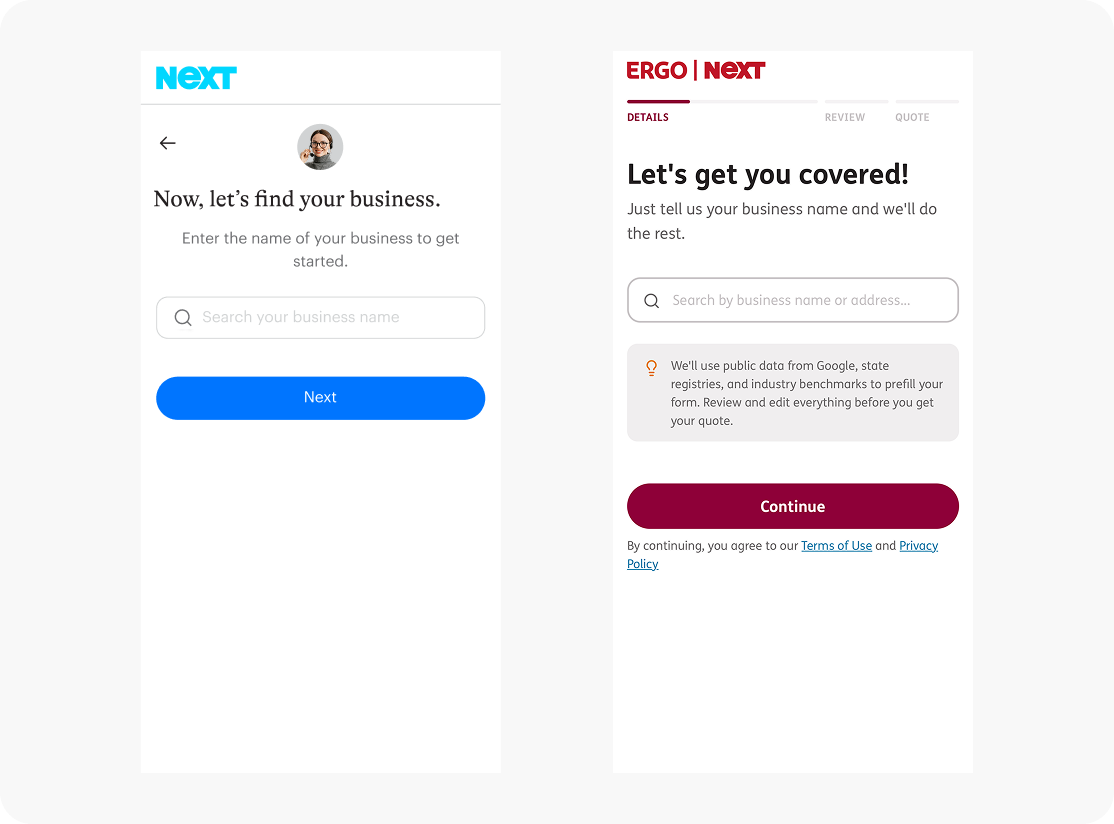
Direct funnel before and after the Design System implementation

AI agents don't understand intent, they read structure and metadata. If you hand them two components that look alike but mean different things, like a button and a near-identical label, they will confuse the AI agents. So I encoded the intent directly into the system by using purpose-driven names with semantic tokens, intent metadata on every component, and an exact 1:1 mapping from each Figma component to its real counterpart in code. So the agent understands the intent from documentation instead of guessing.

That documentation lives in the repo and in Storybook, next to the code, because that is what the agent actually loads. An agent starts every session knowing nothing about your conventions, the way a new hire does, and a separate documentation site might as well not exist for it.

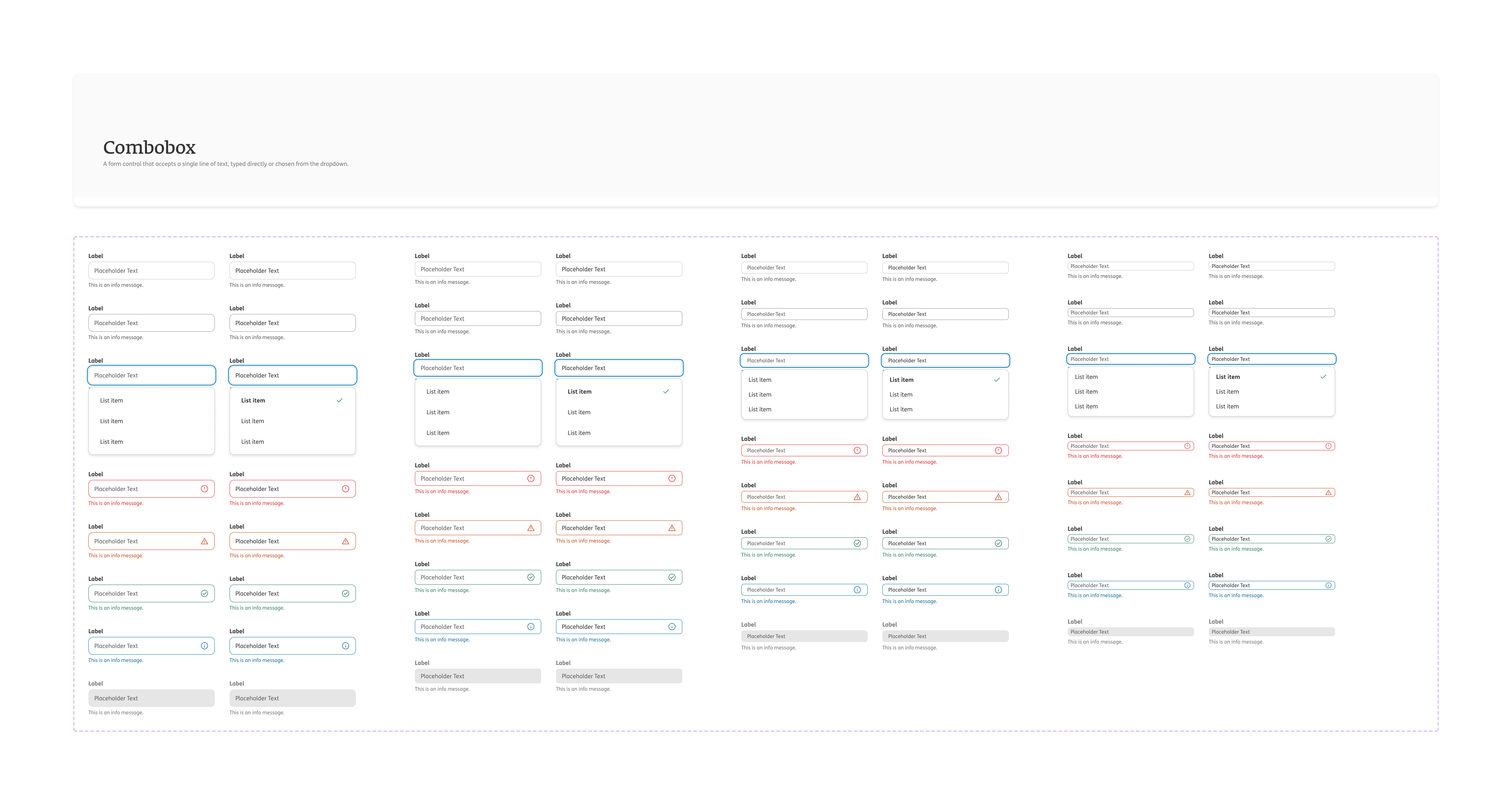
Claude Code and Figma MCP workflow

When Figma shipped its MCP server, I got stakeholder buy-in to bring in Claude Code and built a pipeline around it, generating components and their variants with Claude Code, refining them in Figma, taking them to design critiques, then handing them to engineers to refine code, and verify it matches exactly across Figma, Storybook, GitHub, and the live product.

The verify step is the part I'd fight to keep. An agent builds from whatever is currently in the codebase, including any slightly-off component an earlier generation produced. If nobody corrects it, the next generation copies it, and the one after that copies the copy. Checking parity before anything shipped kept that loop from ever starting.

Because the components mapped to real code, the team could prompt Claude Code to assemble prototypes with the actual production component library. Those prototypes were production-ready with minor tweaks from developers. We ran it as a proof of concept, and it worked end to end.

__wf_reserved_inherit
Components generated using Claude Code and Figma MCP

Getting the time for this took some convincing. Building a system precise enough for an agent is slow, careful work up front.

I borrowed two lines that I learned from motorcycle racing to make the case to stakeholders: "slow is smooth, and smooth is fast," and "it takes a lot of time to go fast" to land my point that we needed to invest in the system now, so we can move faster later.

"It takes a lot of time to go fast"

Results

  • Delivered the system from zero to production across 7 platforms in under 6 months.
  • New marketing landing pages went from 3-7 days to build down to under a day.
  • Designers stopped detaching components, and started using the right ones when generating prototypes with GenAI tools.
  • Full design-to-code parity across Figma, Storybook, and GitHub.
  • Using Claude Code with Figma MCP to generate prototypes at scale is now a standard practice at Next.
__wf_reserved_inherit
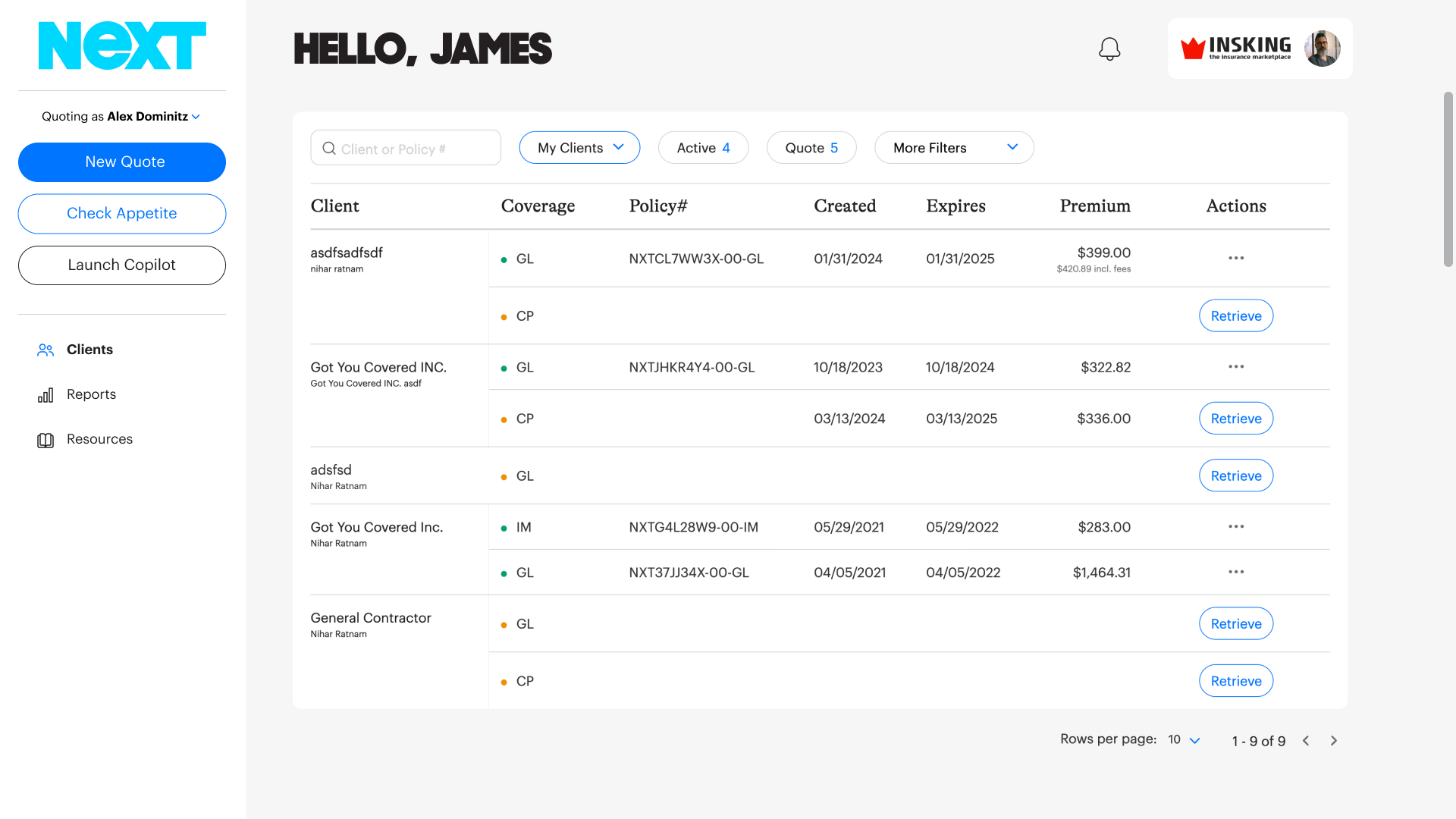
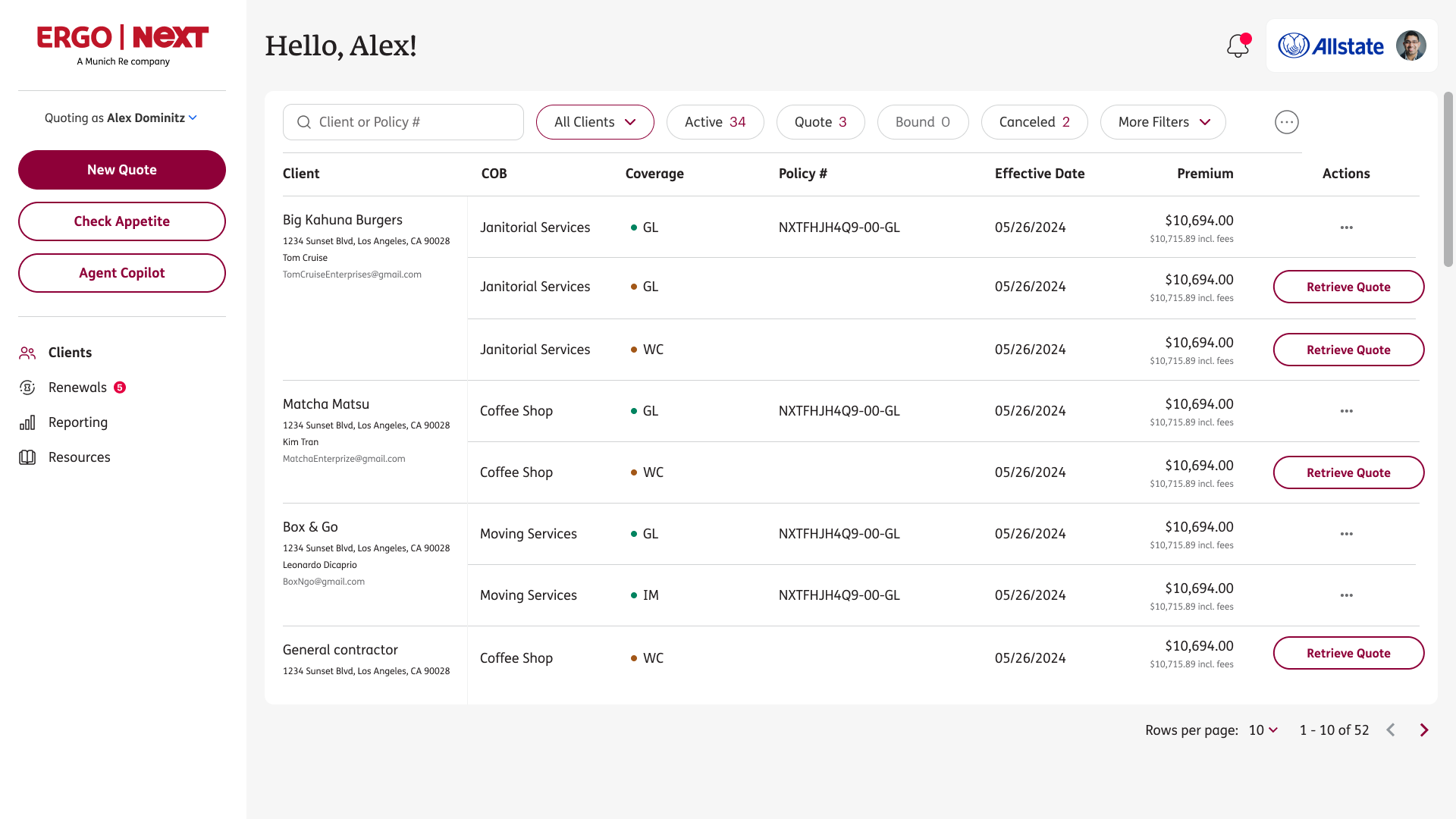
Before rebrand, with old design system
__wf_reserved_inherit
After rebrand, code generated from new Design System

Curious about the full story?

Schedule a call and I'll walk you through my portfolio

Let’s talk about your project, product design, or whatever is in your mind